Peer mentoring
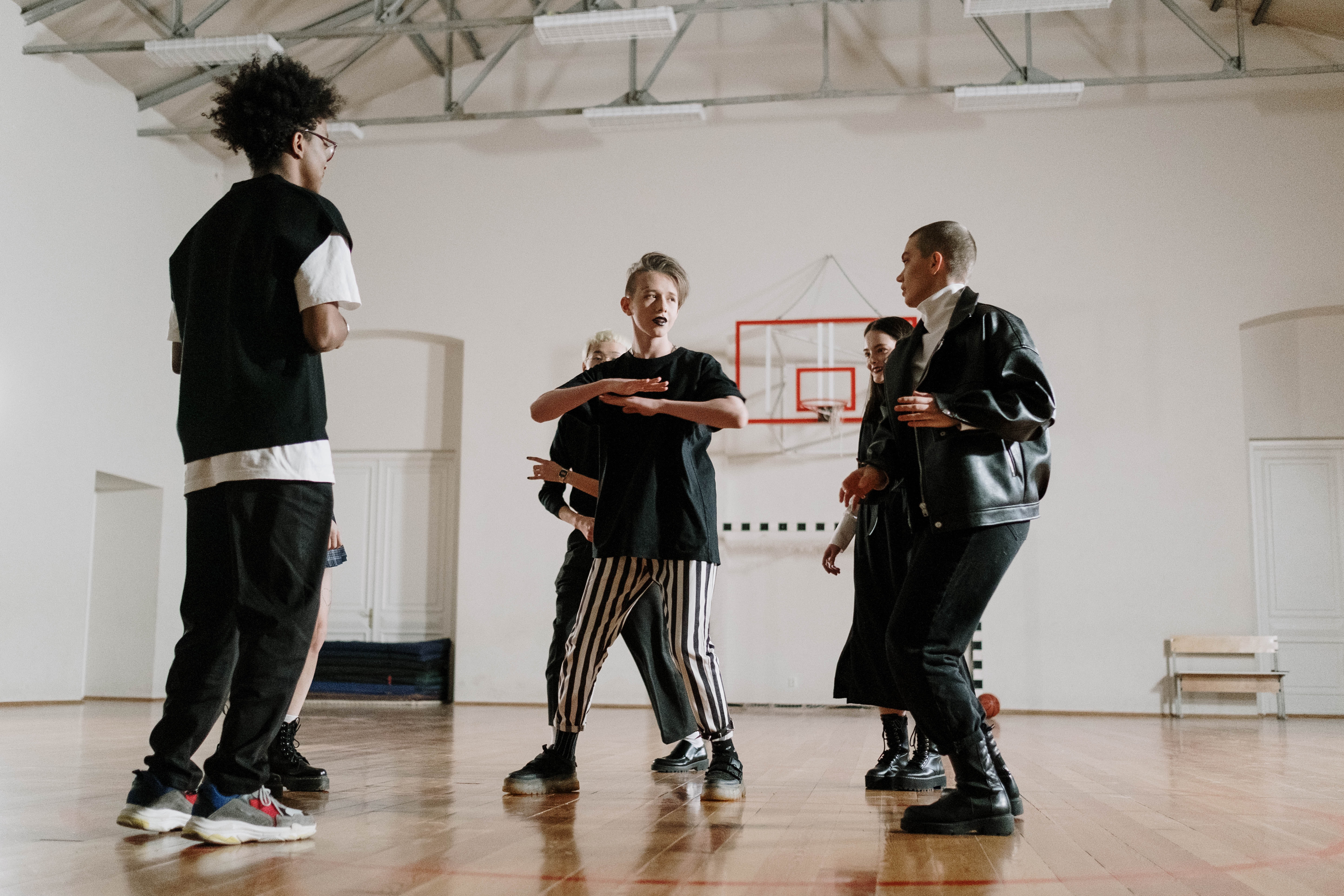
For example, once a week for a month (4 times), can be done in parallel with an open group or as a separate course.
Depends on how much support the young person needs and on their mentoring skills.
The materials needed for the activity, as well as any questions or exercises for support.
Small groups (3–4 participants) work best for peer mentoring.
How to do it
-
Find the talents. Look at which young people participate in the activity. Is there anyone who is good at a particular activity or sport and who would be willing to show others? It does not have to be at a competitive level—interest or talent is enough.
-
Ask about interest. See if the young person would like to hold a beginner’s course or lead a regular group in their field. Explain that an adult will always be there for support.
-
Plan together. Let the young person present their ideas first, and then add your own thoughts.
-
Agree on compensation. This could be money, points, experience, or something else that feels right.
-
Spread the word. Post a course advertisement and open for registrations.
-
Be there the first time. Feel free to attend the first meeting, or make sure another adult is there. After each session, talk about what went well, what was unexpected, and what could be improved.
-
Give positive feedback. Encourage and praise the young person. This experience can be the first step towards more responsibility, such as a summer job, education, or volunteer work.
Peer mentoring boosts self-confidence, a sense of competence, and participation. When a young person gets to teach something to others, they also develop their own understanding and knowledge. This increases their motivation to learn more, strengthens their ability to collaborate, and improves their understanding of group dynamics. An adult is always present to provide support and create a safe environment.